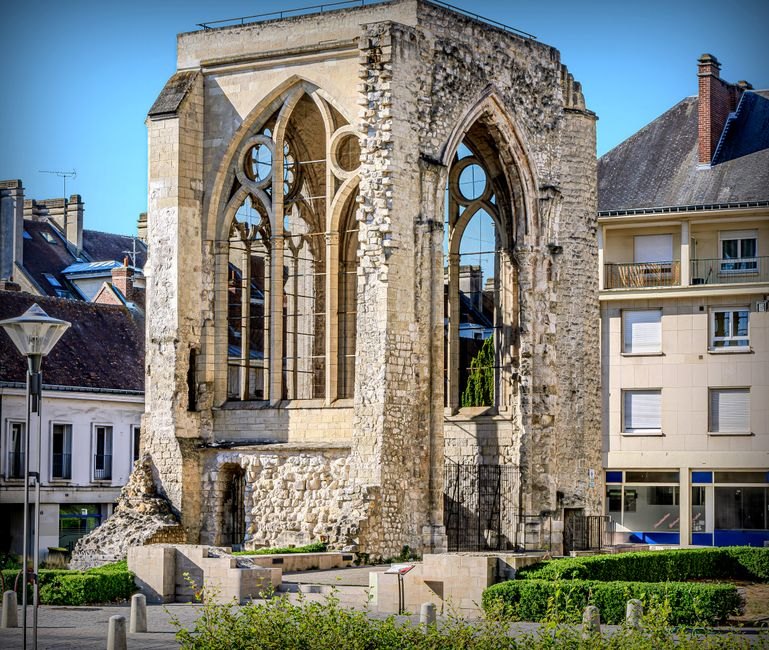
Why the Second Cathedral Boss Isn't Really the Villain
A close read of dialogue fragments and item text suggests the true antagonist was never fought at all — just misunderstood by every playthrough.
From Hurghada, we trace the thematic threads binding cursed kingdoms, ruined cathedrals, and the stories that haunt them long after the credits roll
Enter the ArchiveNew narrative breakdowns and lore essays land regularly — come argue about symbolism with us
I've read a lot of takes on gothic game writing and most of them just describe plot. The piece on unreliable narration in ruined-kingdom RPGs actually connected environmental storytelling to the protagonist's memory loss. Sent it to three friends.
Their breakdown of the cathedral level architecture as a metaphor for institutional decay changed how I replayed the whole game. Took me two nights to finish because I kept pausing to check item descriptions again.
What I appreciate is they don't just cover the big trilogy everyone already dissected to death. The essay on a smaller gothic dungeon crawler nobody talks about was honestly the most thoughtful thing I read that month.
Recurring subjects across the archive — the ideas we return to when a new gothic dungeon demands unpacking
How crumbling spires, buried crypts, and cathedral ruins encode a kingdom's history without a single line of dialogue.
Tracing how inherited curses function as narrative shorthand for generational trauma across gothic fantasy titles.
Item descriptions and environmental notes that contradict each other, forcing players to reconstruct the truth themselves.
Why so many gothic dungeons are built beneath the gaze of a god who never speaks, and what that silence implies.
Reading the dungeon itself as an active participant in the plot rather than a passive backdrop for combat.
The recurring figure of the disgraced warrior guarding ruins they once swore to protect, and what it says about duty.
Recent essays and breakdowns from the Strong Arm Energy Gaming writers
A close read of dialogue fragments and item text suggests the true antagonist was never fought at all — just misunderstood by every playthrough.
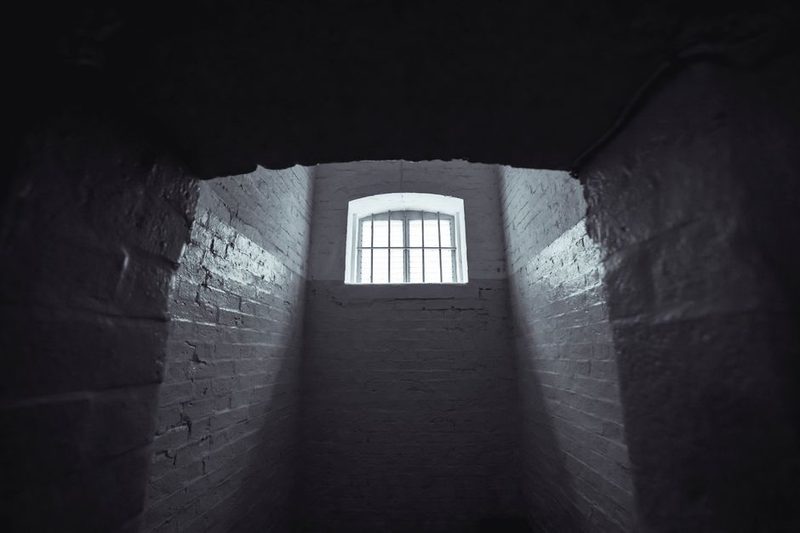
We look at pacing choices in three gothic dungeon crawlers to see how level geometry manipulates tension before a single enemy appears.
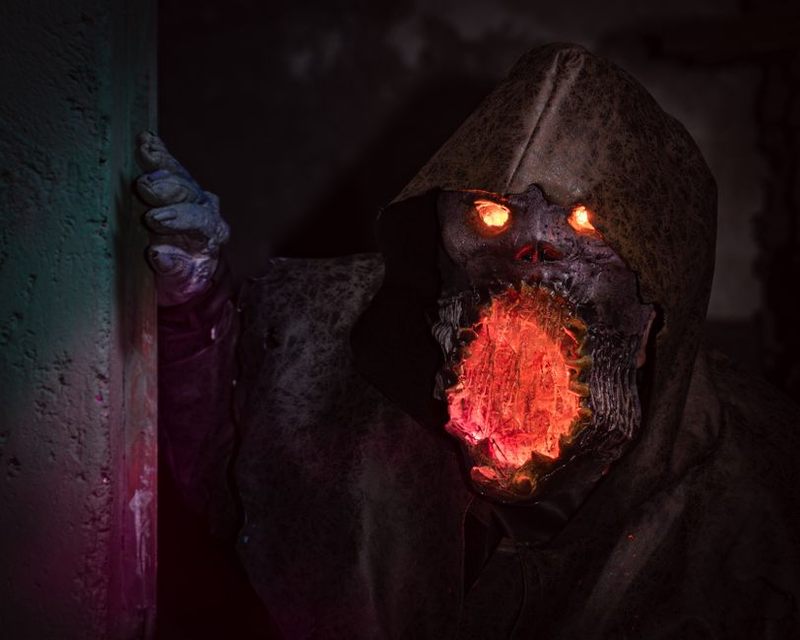
An examination of a minor recurring NPC whose fragmented backstory quietly reframes the entire kingdom's fall from grace.
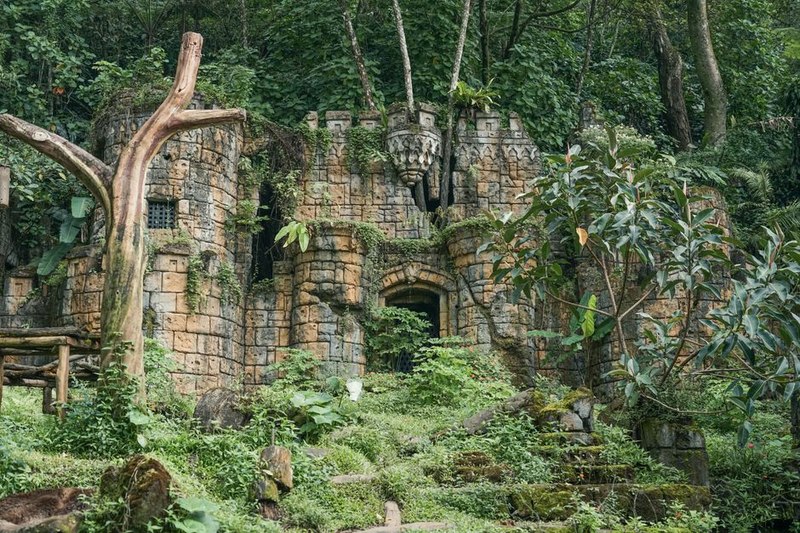
Decay isn't just aesthetic dressing — we trace how narrative designers use rot as a recurring symbol for stalled or corrupted growth.
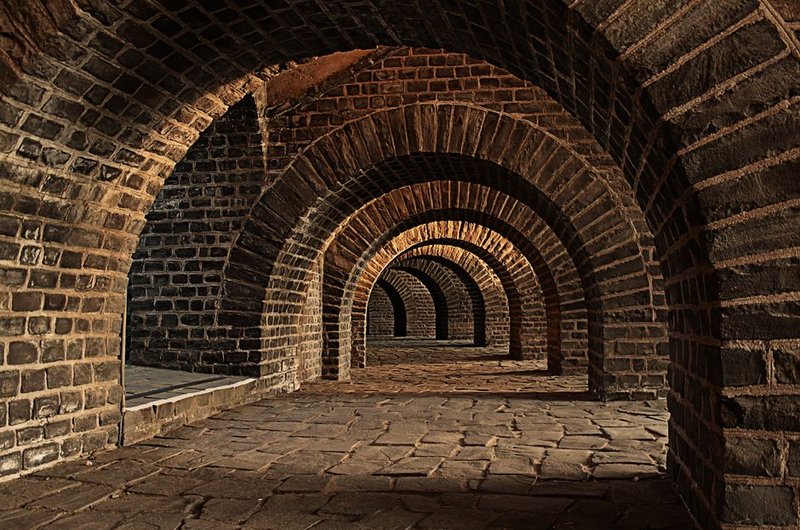
A lesser-discussed title from the genre's quieter years deserves another look, particularly for how it structures its final descent.
What separates our approach to dark fantasy narrative coverage
We build arguments from item descriptions, environmental clues, and dialogue rather than surface-level plot summaries.
Every essay comes from writers who replay these dungeons for fun, not from a content calendar chasing trends.
A small desk overlooking the Red Sea where late nights are spent untangling gothic plot threads across time zones.
We give equal attention to under-discussed dungeon crawlers alongside the genre's more celebrated flagship titles.
Occasionally, when a title shares strong narrative overlap with gothic themes, but the core focus stays on dungeon-crawling dark fantasy worlds and their storytelling techniques.
Yes, most lore analyses assume you've finished the game or don't mind spoilers, since unpacking narrative threads usually requires discussing endings and late-game reveals directly.
A small group of writers based in Hurghada with a shared interest in gothic worldbuilding, narrative design, and dungeon architecture as storytelling devices.
We do read reader suggestions and occasionally build essays around requested titles, particularly overlooked dungeon crawlers that deserve more discussion.
No, this is an independent editorial project. All analysis reflects our own reading of publicly available games, lore text, and community discussion.